
 By admin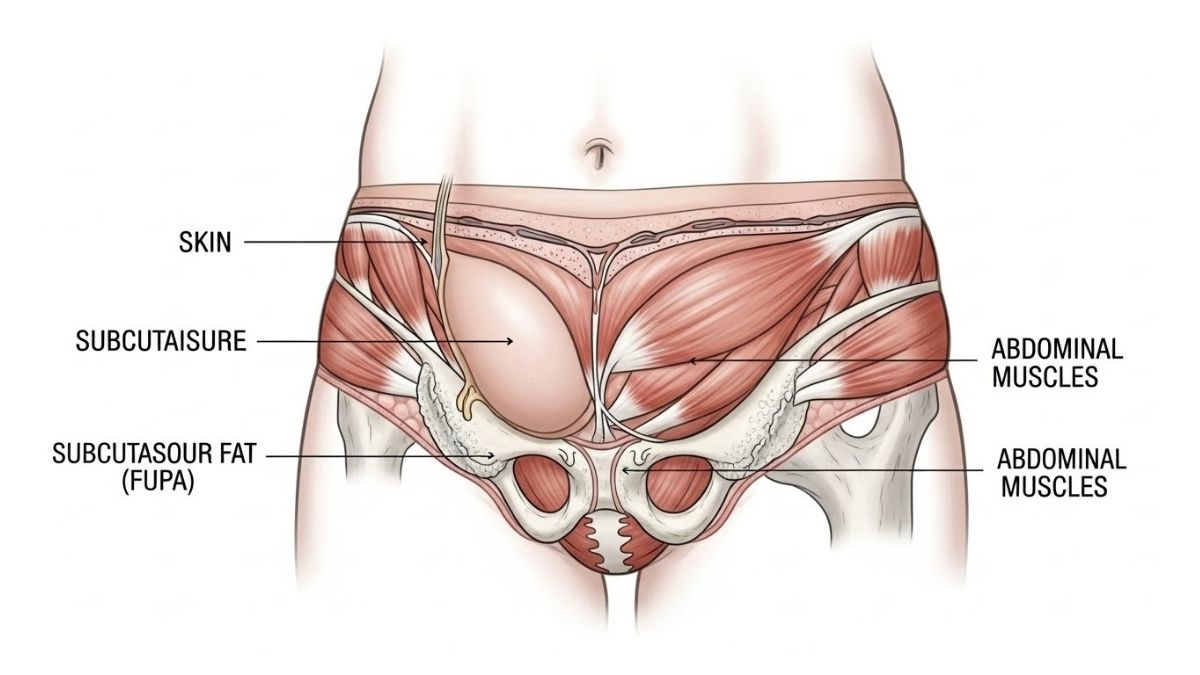
Have you ever heard the term FUPA? It stands for “fat upper pubic area,” and it’s a phrase that’s gained some serious traction in recent years. While it might sound like just another buzzword, understanding what FUPA truly means can be important for many people navigating body image and health issues. Whether you’re curious about its causes or looking for ways to address it, this guide will provide you with valuable insights. From identifying if you have a FUPA to exploring exercises and lifestyle changes that can help, we’ve got you covered! Let’s dive into everything you need to know about this often-misunderstood topic.
Understanding FUPA: Definition and Causes
FUPA, or fat upper pubic area, refers to the accumulation of fat in the region above the pubic bone. This localized fat can vary in size and shape from person to person. It’s not exclusive to any specific gender or body type.
Several factors contribute to the development of FUPA. Genetics play a significant role; some individuals are simply predisposed to store fat in this area. Hormonal changes can also lead to shifts in body composition that result in increased fullness around the pelvis.
Lifestyle choices impact FUPA as well. Poor diet, lack of exercise, and weight fluctuations often exacerbate this issue. Stress may be another factor, as it can influence hormonal levels and lead to weight gain overall—especially in areas like the abdomen and pelvic region. Understanding these causes is crucial for anyone looking to manage their FUPA effectively.
What are fupa?
FUPA, short for Fat Upper Pubic Area, refers to the excess fat that accumulates above the pubic bone. This area can become pronounced due to various factors like weight gain, hormonal changes, or genetics.
Many people experience FUPA after significant weight loss or pregnancy. Hormonal fluctuations can also play a role in its development. Not everyone carries fat in the same places; thus, some may notice this area more than others.
It’s important to remember that having a FUPA is completely normal and common among many individuals. It’s not an indicator of health status but rather a natural body variation. Understanding what contributes to it can help you address any concerns regarding appearance or self-esteem without unnecessary worry.
How to Determine if You Have FUPA
To determine if you have FUPA, start by looking at the area above your pubic bone. A noticeable layer of fat in this region is often referred to as “fat upper pubic area.”
Take a moment to examine how your clothing fits. If your pants feel tight around the waistline or create a bulge that’s hard to disguise, it might be an indication.
Consider your body shape and weight distribution. Genetic factors play a big role in where fat accumulates on our bodies.
Another way to assess is through self-examination while standing or sitting. Notice any excess skin or fatty tissue directly above the genitals.
Keep track of changes over time. Fluctuations after weight loss, pregnancy, or hormonal shifts can contribute significantly to this area. Regularly reviewing these aspects can help you identify if FUPA is part of your health journey.
Health Risks Associated with FUPA
FUPA, or fat upper pubic area, can be more than just a cosmetic concern. It may carry health implications that are worth considering.
Excess fat in this region is often linked to obesity and metabolic issues. This could increase the risk of diabetes, heart disease, and high blood pressure.
Additionally, carrying extra weight around the abdomen can lead to discomfort during physical activities. It might also hinder mobility over time.
Moreover, some individuals with FUPA report skin irritation or rashes due to friction between folds of skin. These conditions can affect mental well-being and body image as well.
Understanding these risks helps highlight the importance of addressing one’s overall health rather than focusing solely on appearance.
Exercises to Target the FUPA Area
To tackle FUPA, a mix of cardio and strength training is effective. Cardio helps burn overall body fat while toning exercises focus on the specific area.
Start with high-intensity interval training (HIIT). This can elevate your heart rate and accelerate fat loss. Jumping jacks or burpees are great options to incorporate into your routine.
Strength training also plays a crucial role. Exercises like planks engage core muscles, promoting stability and support around the abdomen. Incorporate leg lifts as well; they specifically target lower abdominal muscles.
Don’t overlook yoga or pilates either. These practices strengthen the core while improving flexibility and posture.
Consistency is key here. Aim for at least three workout sessions per week focused on these exercises to see noticeable results over time.
Diet and Lifestyle Tips to Reduce FUPA
To effectively reduce FUPA, focus on a balanced diet rich in whole foods. Incorporate plenty of fruits and vegetables. They provide essential nutrients while keeping your calorie intake in check.
Hydration plays a crucial role too. Drinking enough water helps maintain metabolism and can curb cravings. Aim for at least eight glasses daily.
Incorporate lean proteins into your meals to promote muscle growth and fat loss. Options like chicken, fish, tofu, or legumes are excellent choices.
Regular physical activity is vital as well. Combine cardio exercises with strength training to burn fat more efficiently.
Mindful eating practices can help you develop better habits over time. Pay attention to portion sizes and listen to your body’s hunger cues.
Managing stress through techniques like yoga or meditation can prevent emotional eating that contributes to weight gain around the pubic area.
Surgical Options for FUPA Removal
Surgical options for FUPA removal can be effective for those who seek significant changes. Liposuction is one popular choice. This minimally invasive procedure targets excess fat in the pubic area, providing a more contoured appearance.
Another option is a pubic lift, which involves removing loose skin while tightening surrounding tissues. This approach not only addresses fat but also enhances overall aesthetics.
For individuals with considerable weight fluctuations or after pregnancy, abdominoplasty may offer benefits. This surgery removes both excess skin and fatty tissue across the lower abdomen, including the FUPA region.
It’s crucial to discuss these choices thoroughly with a qualified surgeon. They can assess your specific needs and recommend the best path forward based on individual goals and health conditions. Remember that any surgical intervention carries risks and requires proper recovery time for optimal results.
Conclusion
Understanding and managing FUPA can seem daunting, but you are not alone in this journey. Many people grapple with the fat upper pubic area for various reasons, ranging from genetics to lifestyle choices. Recognizing whether you have FUPA is a crucial first step toward addressing it.
There are numerous approaches to tackle this concern. Targeted exercises can help strengthen your core and reshape the area if you’re inclined towards physical activity. Additionally, adopting healthier dietary habits may contribute significantly to reducing excess fat around the pubic region.
For those seeking quicker results or struggling despite their efforts, surgical options might be worth considering after consulting with a healthcare professional. Remember that each body is unique; what works for one person may not work for another.