
 By admin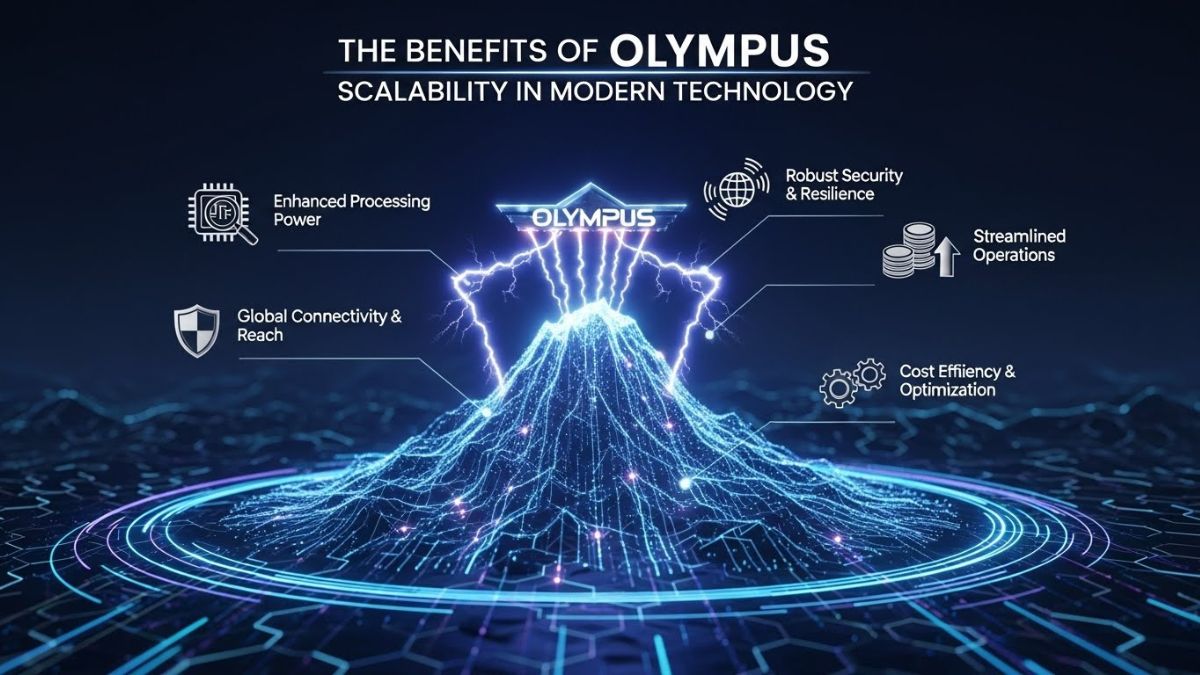
In a world where technology evolves at lightning speed, staying ahead often means embracing innovative strategies. One such groundbreaking approach is olimpus scalation. This powerful technique has begun transforming industries and shaping the future of technological advancements. But what exactly is it? And how does it impact our daily lives? As we delve into this fascinating concept, prepare to uncover its history, applications in modern tech, and the undeniable advantages that come with adopting olimpus scalation. Get ready to explore why it’s gaining traction in today’s fast-paced environment!
The History of Olimpus Scalation
Olimpus Scalation has a rich and fascinating history that traces back to its inception in the early 2000s. Initially, it emerged as a solution for scaling complex data systems efficiently. Researchers sought ways to enhance computational efficiency without sacrificing performance.
Throughout the years, Olimpus Scalation evolved significantly. Early adopters included tech startups that needed rapid growth solutions while managing vast amounts of data. As technology advanced, so did the methodologies surrounding this innovative approach.
By integrating machine learning and artificial intelligence, Olimpus Scalation became more sophisticated. Its adaptability caught the attention of larger corporations eager to streamline operations.
As industries began recognizing its potential, academic institutions also took interest. This led to research collaborations aimed at further refining techniques and applications across various fields—from finance to healthcare—demonstrating versatility in modern technological landscapes.
How Olimpus Scalation is Used in Modern Technology
Olimpus scalation plays a pivotal role in various modern technologies, enhancing performance and efficiency. In cloud computing, it enables seamless resource allocation based on demand. This ensures that users have access to necessary computational power without unnecessary costs.
In the realm of artificial intelligence, olimpus scalation allows algorithms to adapt quickly to vast amounts of data. It optimizes machine learning processes by providing scalable solutions that can grow with the increasing complexity of tasks.
Moreover, in telecommunications, this technology supports dynamic bandwidth management. Users experience improved connectivity as networks adjust in real-time to accommodate fluctuating usage patterns.
The integration of olimpus scalation into smart devices also showcases its versatility. From optimizing battery life to managing user interfaces efficiently, this technology enhances user experiences across various platforms and applications.
Advantages of Using Olimpus Scalation
Olimpus scalation offers several advantages that make it a valuable asset in modern technology. One of its primary benefits is enhanced efficiency. By optimizing processes, it reduces the time and resources needed to achieve specific outcomes.
Another significant advantage is scalability. As businesses grow, so do their technological demands. Olimpus scalation adapts easily to varying workloads, ensuring seamless performance regardless of scale.
Cost-effectiveness also stands out as a key benefit. Companies can save on operational costs by minimizing resource consumption without compromising quality or output.
Moreover, this innovative approach fosters improved collaboration among teams. It streamlines workflows and enhances communication, allowing for quicker decision-making and problem-solving.
Implementing olimpus scalation contributes to sustainability efforts by reducing waste and energy usage throughout various processes. This aligns with the growing demand for eco-friendly practices in tech development.
Real-World Examples of Olimpus Scalation in Action
Olimpus scalation has made a significant impact across various industries, showcasing its versatility and efficiency. In the healthcare sector, hospitals utilize this technology for data management. Patient records are securely stored and accessed quickly, improving care.
In finance, banks rely on olimpus scalation to optimize transaction processing. This ensures faster service delivery while maintaining security protocols. Customers experience seamless banking operations without delays.
Additionally, e-commerce platforms leverage olimpus scalation for real-time inventory tracking. This allows businesses to meet customer demands promptly while minimizing stock shortages.
Even in manufacturing, companies adopt this method to streamline production lines. Enhanced communication between machines leads to increased productivity and reduced downtime.
These examples illustrate how olimpus scalation enhances operational efficiency across different fields, driving innovation every day.
Potential Drawbacks and Limitations
Olimpus scalation, while offering many benefits, is not without its challenges. One notable limitation is the steep learning curve associated with its implementation. Teams may require extensive training to fully utilize its capabilities.
Additionally, scalability can lead to over-reliance on technology. Organizations might overlook the importance of human oversight and decision-making in favor of automated processes.
Cost implications also pose a concern. Initial setup and maintenance expenses can be substantial, especially for smaller businesses that may struggle to justify such investments.
Compatibility issues often arise as well. Integrating olimpus scalation into existing systems can prove difficult, leading to potential disruptions during transition periods.
Data privacy remains a critical issue. With increased reliance on advanced technologies comes heightened scrutiny regarding how sensitive information is managed and protected from breaches or misuse.
Conclusion:
The benefits of olimpus scalation in modern technology are undeniable. This innovative approach has shaped various sectors, enabling them to streamline processes and enhance efficiency. With a rich history rooted in the evolution of scalable solutions, olimpus scalation continues to adapt and integrate into cutting-edge technologies.
From cloud computing to big data analytics, its applications are vast and impactful. Companies utilizing this method have reported significant improvements in performance and resource management. The advantages are clear: increased flexibility, reduced costs, and enhanced productivity stand out as key factors driving its popularity.
However, it’s essential to remain mindful of potential drawbacks. While the scalability offered by olimpus scalation can be beneficial for many organizations, it may not suit every industry or situation perfectly.