
 By admin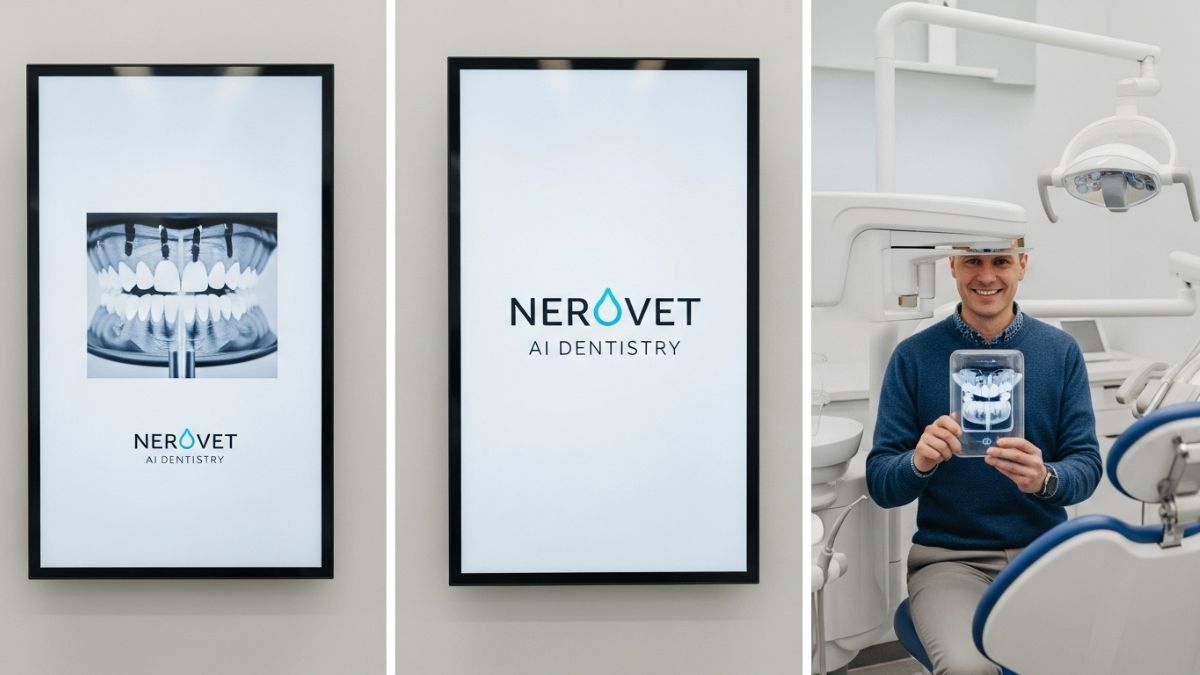
The world of dentistry is evolving at an incredible pace, and one of the most exciting advancements is Nerovet AI Dentistry. Imagine a dental practice where technology meets personalized care, enhancing not just how procedures are performed but also how patients experience their visits. This innovative approach leverages artificial intelligence to transform traditional dental practices into cutting-edge facilities that prioritize patient comfort and treatment outcomes.
As we delve deeper into the realm of Nerovet AI Dentistry, you’ll discover how this technology works, its benefits for both patients and dentists, inspiring success stories from real-life applications, and what the future holds for this game-changing advancement in oral health. Get ready to explore a new frontier in dentistry that might just change your next visit to the dentist forever!
How Nerovet AI Dentistry Works
Nerovet AI Dentistry utilizes advanced machine learning algorithms to analyze vast amounts of dental data. By processing patient records, imaging scans, and treatment histories, it creates a comprehensive profile for each individual.
The system identifies patterns that may not be visible during standard examinations. This allows dentists to make informed decisions based on predictive analytics rather than just past experiences.
Real-time analysis is another key feature. As the dentist examines a patient’s mouth, Nerovet can provide instant feedback and recommendations tailored specifically to that case.
This integration means fewer errors in diagnosis and treatment planning. With its ability to predict potential complications or necessary interventions early on, Nerovet enhances both efficiency and accuracy in dental practices.
In essence, this technology supports practitioners by providing rich insights while allowing them to focus more on patient care rather than administrative tasks.
Benefits of Using Nerovet AI Dentistry for Patients and Dentists
Nerovet AI Dentistry significantly enhances the patient experience by providing personalized treatment plans. This technology analyzes individual dental needs, allowing for tailored care that improves outcomes. Patients can feel more confident knowing their treatment is based on precise data.
For dentists, Nerovet streamlines workflows and reduces administrative burdens. With automated processes handling scheduling and patient records, professionals can focus more on delivering quality care.
Real-time diagnostics are another game changer. The AI assists in identifying issues early, leading to timely interventions and better overall health for patients.
Additionally, improved communication tools foster a deeper connection between dentists and patients. Clear visualizations of treatment options help patients make informed decisions about their oral health journey.
Both parties benefit from enhanced efficiency, engagement, and effectiveness in dental practices utilizing this innovative technology.
Success Stories from Dental Practices using Nerovet AI
Dental practices around the world have experienced remarkable transformations thanks to Nerovet AI Dentistry. One clinic reported a 30% reduction in appointment times, allowing them to serve more patients without sacrificing quality.
Another practice highlighted how the AI’s predictive analytics enabled earlier detection of cavities and gum issues, leading to better patient outcomes. Dentists found themselves spending less time on diagnostics and more on personalized treatment plans.
A pediatric dental office shared that children were less anxious during visits. The interactive features of Nerovet AI engaged young patients, making their experience enjoyable rather than intimidating.
These stories showcase not just enhanced efficiency but also improved patient satisfaction. As technology continues to evolve, these successes pave the way for broader adoption across various dental settings.
Challenges and Limitations of Nerovet AI Dentistry
Nerovet AI Dentistry is innovative, but it faces several challenges. One major limitation is the dependence on data quality. If the input data is flawed or incomplete, the outcomes can be less than ideal.
Moreover, integrating this technology into existing dental practices requires a significant investment in training and infrastructure. Many practitioners may hesitate to adopt new systems due to these costs.
There are also concerns about patient privacy and data security. Handling sensitive health information demands robust safeguards that some smaller practices may struggle to implement effectively.
Additionally, while AI enhances diagnostic accuracy, it cannot replace the human touch in patient care. Building trust with patients remains essential for dentists navigating this technological landscape.
Future Developments and Potential Impact on the Dental Industry
As technology advances, the future of Nerovet AI Dentistry looks promising. Innovations are expected to refine diagnostic accuracy further. Enhanced algorithms may allow for real-time data analysis during procedures.
Integration with other health technologies could also emerge. This might lead to a more holistic approach in patient care, blending dental and overall health monitoring seamlessly.
In addition, personalized treatment plans driven by AI insights could become standard practice. Tailored approaches not only improve patient outcomes but also foster stronger dentist-patient relationships.
Moreover, training tools utilizing virtual reality and augmented reality may evolve alongside Nerovet’s capabilities. Such developments can empower dental professionals with immersive learning experiences.
Regulatory advancements will play a critical role in shaping how this technology is implemented across practices globally. Adapting to these changes will be vital for both practitioners and patients in navigating the evolving landscape of dentistry.
Conclusion
Nerovet AI Dentistry represents a significant leap forward in dental care. By harnessing artificial intelligence, it has the potential to reshape both patient experiences and clinical outcomes. With its ability to analyze vast amounts of data quickly, dentists can provide personalized treatment plans tailored to each patient’s unique needs.
The benefits extend not only to patients but also enhance the workflow for dental professionals. Improved diagnostic accuracy leads to better treatment decisions and increased patient satisfaction. Furthermore, practices utilizing Nerovet AI have reported success stories that highlight its effectiveness in improving oral health outcomes.
However, like any innovation, there are challenges and limitations that need addressing as technology evolves. Concerns regarding data privacy and integration into existing systems must be navigated carefully if widespread adoption is to occur.