
 By admin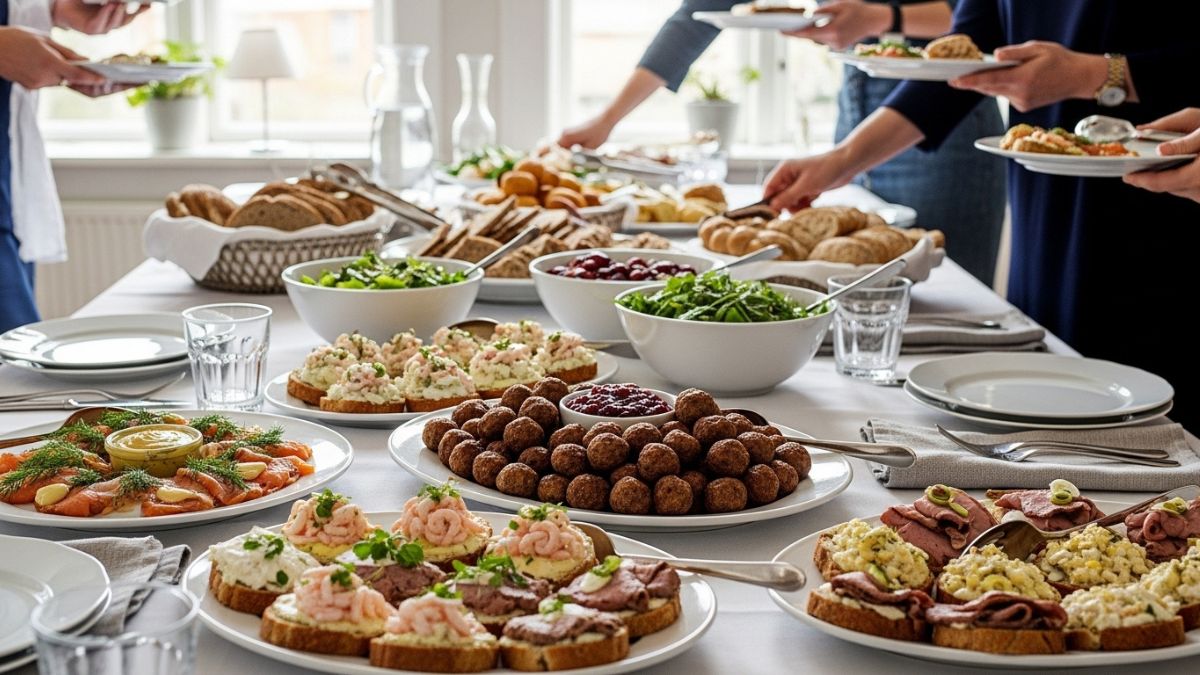
Sweden is a land of stunning landscapes, vibrant cities, and rich traditions. Among its many cultural gems lies the cherished ritual of bjudlunch—a unique lunch gathering that encapsulates the essence of Swedish hospitality and community spirit. Imagine sitting around a beautifully set table, surrounded by friends and family, sharing delicious dishes while engaging in heartfelt conversations. This is not just an ordinary meal; it’s an experience steeped in history and warmth.
In Sweden, meals are more than sustenance—they’re opportunities to connect with others. Bjudlunch embodies this philosophy perfectly. Whether you’re a local or planning to visit Sweden soon, understanding this beloved tradition will deepen your appreciation for what makes Swedish culture so special. Let’s dive into the art of bjudlunch and discover how it has become a beautiful expression of togetherness in Swedish society.
What is Bjudlunch?
Bjudlunch is more than just a meal; it’s an invitation to gather. Originating from Sweden, the term translates roughly to “invitation lunch.” This tradition signifies hospitality and friendship.
Typically hosted at home, bjudlunch encourages hosts to showcase their culinary skills. Friends and family come together around a table filled with delicious dishes. The atmosphere is relaxed yet vibrant.
What sets bjudlunch apart is its emphasis on sharing. It isn’t solely about food but also connections forged over shared experiences. Guests often bring their own contributions, enhancing the communal spirit of the occasion.
This cherished custom reflects Swedish values: warmth, generosity, and a love for good company. Whether during holidays or casual weekends, bjudlunch remains an integral part of Swedish life—celebrated through every bite and laugh shared among loved ones.
History of the Swedish Lunch Tradition
The history of the Swedish lunch tradition is deeply rooted in the country’s agricultural past. For centuries, meals were crafted from local ingredients and seasonal produce. This connection to nature shaped how Swedes approached their midday meal.
During the 19th century, as industrialization took hold, lunchtime evolved into a more communal affair. Factories began providing workers with structured breaks, making way for shared meals among colleagues.
Bjudlunch emerged during this time as an extension of hospitality norms that emphasized social bonding through food. Families would invite friends over for casual gatherings featuring homemade dishes.
As global influences permeated Swedish culture in the 20th century, traditional lunches incorporated international flavors while still honoring age-old customs. Today’s bjudlunch reflects this blend—showcasing both heritage and creativity on every plate.
The Importance of Bjudlunch in Swedish Society
Bjudlunch holds a special place in Swedish society, serving as more than just a meal. It is a cultural ritual that fosters connections among friends, family, and colleagues.
During these gatherings, the act of sharing food becomes an expression of hospitality. Hosts take pride in preparing and presenting dishes to showcase their culinary skills. This generous spirit strengthens bonds within communities.
The event often transcends casual dining. Conversations flow freely over plates filled with traditional foods. Laughter and stories are exchanged, creating lasting memories.
Bjudlunch also reflects Sweden’s deep appreciation for tradition while embracing modern influences. By participating in this practice, Swedes honor their heritage while welcoming new ideas into their culinary landscape.
It’s not merely about eating; it’s about building relationships through shared experiences and flavors that resonate deeply in the heart of Swedish culture.
How to Host a Bjudlunch: Step by Step Guide
Hosting a bjudlunch is all about warmth and hospitality. Start by inviting friends or family well in advance. A casual atmosphere sets the tone for a lovely gathering.
Next, plan your menu around traditional Swedish dishes. Consider classic choices like herring, meatballs, and gravlax. Don’t forget to add fresh bread and seasonal salads for variety.
Prepare your space with simple decorations—perhaps some flowers or candles to create an inviting setting. Arrange the table buffet-style so guests can serve themselves at their leisure.
As guests arrive, offer them drinks such as snaps or flavored water to complement the meal. Encourage mingling; this fosters conversation and connection among everyone present.
Aim for relaxed pacing throughout the lunch. Allow time between courses for laughter and stories to flow freely, making it a true celebration of camaraderie amidst delicious food.
Traditional Dishes Served at Bjudlunch
At a bjudlunch, the table is a vibrant display of traditional Swedish fare. One staple is **sill**, or pickled herring, served in various marinades that tantalize the taste buds. It’s often accompanied by boiled potatoes and creamy dill sauce.
Another beloved dish is **köttbullar**, or Swedish meatballs. These savory bites are usually paired with lingonberry jam for a delightful contrast of flavors.
**Gravlax**, thinly sliced cured salmon, brings elegance to the spread. Typically enjoyed on crispbread with mustard sauce, it’s refreshing and light.
Don’t forget about classic **knäckebröd**, a crunchy rye crisp bread that complements nearly every dish on the table. Its versatility makes it an essential part of any meal.
For dessert, you might find **kanelbullar**—cinnamon rolls that provide just the right amount of sweetness to round off this wonderful lunch experience.
Modern Twists on Bjudlunch: Bringing New Flavors to the Table
Modern interpretations of bjudlunch are redefining this cherished tradition. While the essence remains grounded in Swedish heritage, innovative chefs and home cooks alike are experimenting with flavors and ingredients.
Fusion cuisine has found its way onto the bjudlunch table. Imagine a classic herring dish paired with Asian-inspired pickling techniques or incorporating exotic spices into traditional meatballs. These combinations celebrate global influences while honoring local tastes.
Vegetarian options have also gained popularity, featuring vibrant roasted vegetables or hearty lentil salads infused with fresh herbs. With sustainability at the forefront, many hosts now source organic produce from local farms.
Desserts too are receiving a makeover; think cardamom-infused panna cotta layered with lingonberry sauce or deconstructed kladdkaka served as elegant mini tarts. Each bite tells a story that blends old and new—making each gathering unique and memorable for all involved.
Conclusion
Bjudlunch embodies more than just a meal; it’s an experience steeped in Swedish culture and tradition. These gatherings emphasize connection, community, and the joy of sharing food with loved ones. As you explore the flavors and customs of bjudlunch, you’ll discover that it’s not merely about what is served on the table but also about fostering relationships.
Whether you’re hosting your first bjudlunch or adding new dishes to an established menu, the essence remains unchanged: bringing people together over good food. With traditional offerings alongside modern twists, each bjudlunch can reflect personal tastes while honoring age-old customs.
So why not immerse yourself in this delightful tradition? Gather your friends and family for a memorable day filled with laughter, delicious dishes, and stories shared around the table. Embrace the spirit of bjudlunch and enjoy every flavorful moment it brings into your life!