
 By admin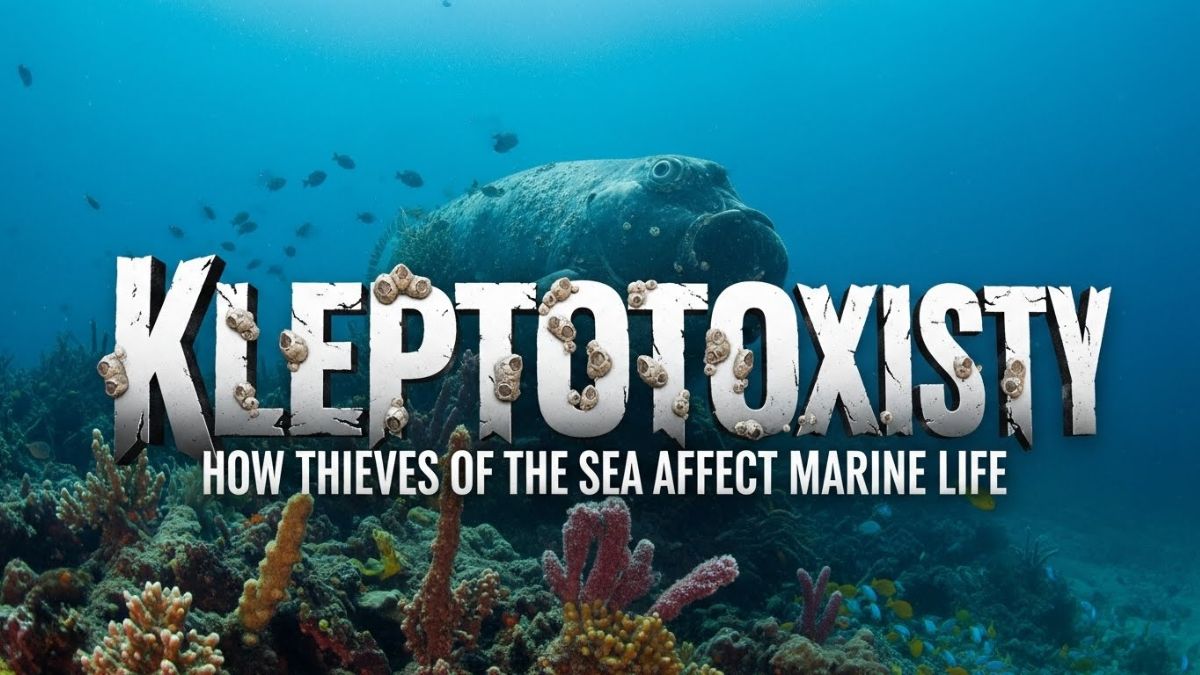
The ocean is a vast and mysterious world, teeming with life and complexity. Among the many fascinating behaviors observed in marine creatures, one particularly intriguing phenomenon stands out: kleptotoxicity. This term may sound complex, but it refers to something quite simple — theft and its toxic consequences for marine life. Imagine a clever thief stealing not just food but also inflicting harm on others while doing so. In the depths of the sea, this behavior isn’t limited to mere robbery; it can disrupt entire ecosystems.
As we dive deeper into this captivating topic, we’ll explore how these cunning “thieves of the sea” operate, their impact on various species, and what it all means for our oceans’ health. Whether you’re an ocean enthusiast or simply curious about marine biology’s quirks, understanding kleptotoxicity unveils another layer of nature’s intricate web. Let’s plunge into this underwater intrigue together!
What is kleptotoxicity?
Kleptotoxicity refers to a fascinating but alarming behavior observed in certain marine species. It occurs when predators steal prey from other animals, often employing toxic substances to incapacitate or kill their stolen food. This strategy not only benefits the thief but also disrupts the delicate balance of marine ecosystems.
At its core, kleptotoxicity is an intricate dance of survival. Some creatures have evolved specialized toxins that can affect both their victims and competitors. These adaptations enhance their ability to dominate feeding grounds and access scarce resources.
As these thieves flourish, they create significant ripples throughout their environment. The consequences extend beyond immediate predation; they introduce toxins into the ecosystem that can harm various organisms, altering population dynamics and community structures over time. Understanding kleptotoxicity is crucial for appreciating how interconnected life forms are beneath the waves.
Examples of marine animals that exhibit kleptotoxic behavior
In the depths of the ocean, kleptotoxic behavior reveals itself through fascinating marine interactions. One prime example is the infamous killer whale. These apex predators often steal prey from other marine mammals, demonstrating a cunning ability to outsmart their rivals.
Another intriguing case involves certain species of sea slugs. Known for consuming toxic algae, they can incorporate these harmful chemicals into their own bodies. This adaptation allows them to deter potential predators and thrive in their environment.
The blue jay also makes an appearance among thieves of the sea. While not entirely aquatic, it has been observed raiding nests along coastal areas to pilfer eggs and chicks from seabirds.
These examples illustrate how diverse kleptotoxic behaviors are across different marine species, providing insight into complex ecological relationships within our oceans.
How thieves of the sea harm the marine ecosystem
Kleptotoxicity introduces a complex layer of harm to marine ecosystems. When thieves of the sea steal food or resources, they disrupt the natural balance. This theft can lead to decreased availability of prey for other species.
The immediate victims are often smaller fish and invertebrates. Their populations dwindle as they struggle to survive against relentless competitors. As these species decline, larger predators feel the impact too.
Moreover, kleptotoxic behavior can trigger stress responses within entire communities. Species that rely on specific food sources may find themselves at risk if their main providers vanish due to predation pressure.
In essence, every act of theft ripples through the ecosystem. The interconnectedness of marine life means that one disruption can have far-reaching consequences across various trophic levels and habitats.
Effects on prey species and their populations
Kleptotoxicity creates a ripple effect throughout marine ecosystems, particularly impacting prey species. When predators engage in this behavior, they release toxins into the environment that can devastate local populations.
These poisonous substances may not only harm individual fish but can also lead to broader declines in species diversity. Prey animals exposed to these toxins often experience reduced reproductive success and increased mortality rates.
As their numbers dwindle, the balance of the ecosystem shifts. Species that rely on these prey become vulnerable due to food scarcity. This imbalance disrupts the entire food web, leading to unforeseen consequences for various marine life forms.
The repercussions extend beyond immediate victims as keystone species struggle to find adequate nutrition. Ecosystems need stability; kleptotoxicity undermines that vital equilibrium in profound ways.
Impact on other marine predators
Kleptotoxicity doesn’t just threaten the prey species; it also has a ripple effect on other marine predators. When primary prey are poisoned or weakened, their population declines. This creates a vacuum that can upset the balance in local ecosystems.
Predators that rely heavily on these affected species may struggle to find food. As their main source of sustenance diminishes, they must adapt by altering foraging habits or seeking alternative prey.
Such shifts can lead to increased competition among marine predators, resulting in stress and potential declines in those populations too. This complex interplay highlights how kleptotoxicity reverberates through the entire food web.
Moreover, some larger predators might inadvertently consume contaminated prey themselves, facing health consequences from accumulated toxins over time. The impact is far-reaching and underscores the interconnectedness of ocean life.
Ways to mitigate kleptotoxicity in the ocean
Mitigating kleptotoxicity in the ocean requires a multifaceted approach. One effective strategy is habitat protection. Healthy ecosystems are less vulnerable to disruptions caused by predatory behaviors.
Another avenue involves monitoring marine populations. Scientists can track changes in species interactions and identify areas of concern early on. This data helps inform conservation efforts tailored to specific environments.
Education plays a crucial role too. Raising awareness among fishing communities about the impacts of kleptotoxic behavior fosters responsible practices that protect vulnerable species.
Implementing stricter regulations on fishing practices can also limit overexploitation of certain prey species, allowing them to recover from stressors such as kleptotoxicity.
Promoting biodiversity within marine habitats strengthens resilience against these threats, creating a more balanced ecosystem where all creatures have their place and function effectively together.
Conclusion:
Kleptotoxicity is a fascinating yet alarming phenomenon that reveals the darker side of marine life. By understanding how these thieves of the sea operate, we gain insight into their role in the ecosystem and the complexities of oceanic interactions. The impact on prey species can lead to significant shifts in populations, which ripples through the food web.
Moreover, other marine predators also face challenges as kleptotoxic behavior disrupts their hunting strategies and natural order. This disruption highlights an urgent need for awareness and action regarding our oceans’ health.
As stewards of our environment, it’s crucial to explore ways to mitigate kleptotoxicity. Enhancing habitat protection, fostering biodiversity, and promoting responsible fishing practices are essential steps forward. These actions can help restore balance in marine ecosystems affected by this unique form of predation.